
Web Design 3.0 Is Here: Are You Ready For The Transformation?1
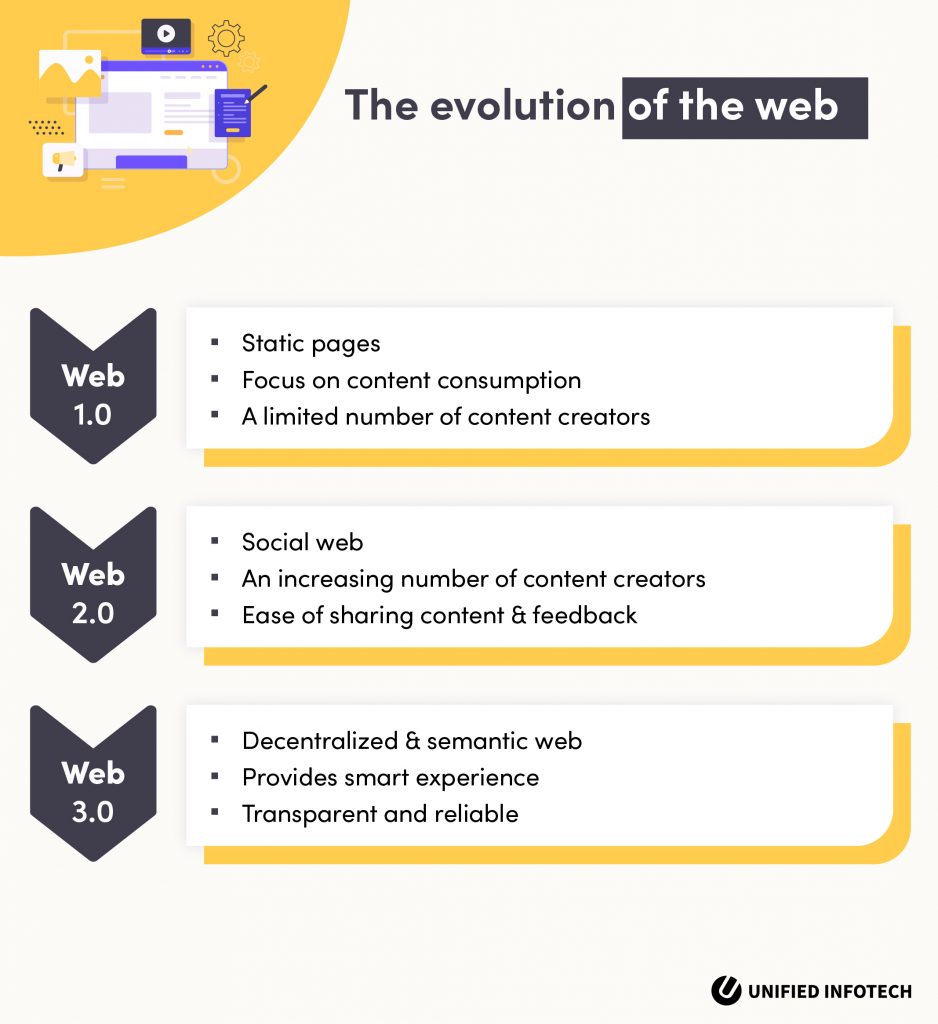
The world of the web is evolving, and web 3.0 is here to reconstruct online business success metrics. And if you are wondering what is web 3.0, then this piece is just for you. The web as we experience today is known as web 2.0, aka, the social web. It enables us to consume content from various sources, and then create our own content for the others out there. It is an open conversation between us and the world out there. And in this conversation both sides able to speak to each other freely. However, a revolution is on the way. Foregoing the search and data-related challenges of web 2.0, there’s a new web that’s knocking on the door. If we do the comparison of web 2.0 vs web 3.0, we’ll see that the latter promises a smarter, fairer, and smoother web experience to the users.
History Of Web Transformation
To design websites for web 3.0, we must understand what web 3.0 is. And for that, we need to start from the beginning.Remember the olden websites where all you could do was read texts? Such websites came with minimal graphic and interactive elements. All we could do was to consume the information presented to us, and perhaps share it through limited means. This age of the web is also known as the library web or web 1.0.
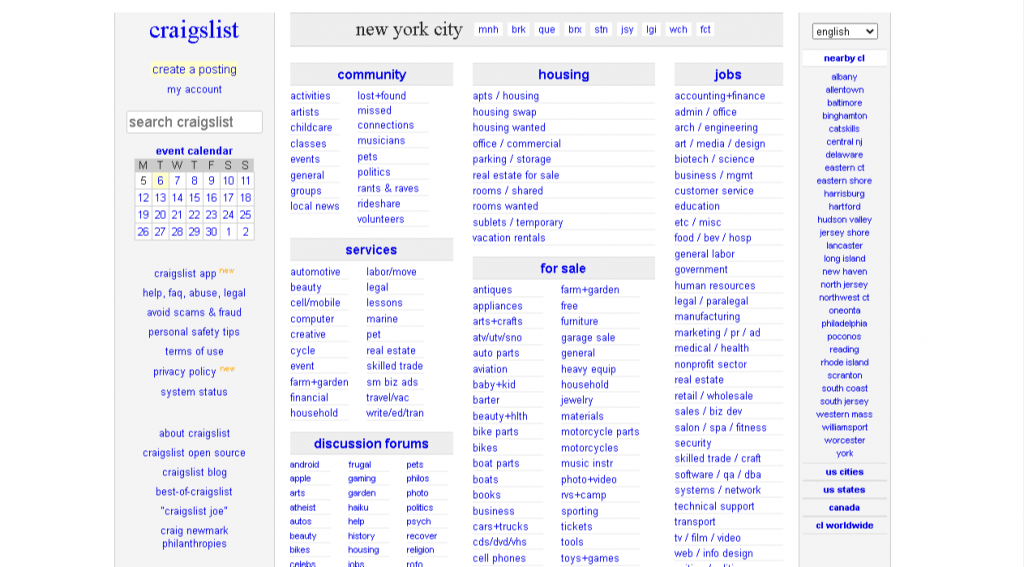
But after some time web 1.0 was not enough. We wanted a streamlined manner of information sharing, creating our content, and sharing it with the world. We wanted the websites to think about us when crafting content, and designing the website. Demand for personalization, better connectivity, and more interaction took over the internet. And that’s how we got web 2.0, a.k.a, the social web. But now after almost 2 decades, we are ready to transition into the web 3.0 world, and people are already making all kinds of web 2.0 vs web 3.0 comparisons to understand which one is better.
And now the artificial intelligence technologies have pushed us towards the evolution of web 3.0. The term web 3.0, coined first by john markoff in his 2006 NY times article denotes a new age of the online world. The concept is dominated by the implication of AI and machine learning usage. Additionally, the concept also makes use of p2p networks to provide a transparent user experience.
What Is Web 3.0: The Definition
So what is web 3.0 exactly? There may not be a set definition yet. But after considering its parameters, we have created a basic level definition explaining web 3.0 in a nutshell. “Web 3.0 is an AI/machine learning-driven web that will provide the users with relevant, relatable, and valuable search results based on the context of their search, and not just the keywords. Additionally, This web is also aimed to eliminate data monopoly with the implementation of decentralized systems like blockchain and protect the user data from being misused.”
The debate about the current existence of web 3.0 is many. However, there’s one thing no one can disagree on, and that is the future impact of web 3.0 main features on web design. So let’s see what kind of design requirements your website needs to fulfill to fit into a web 3.0 future.
Web 3.0 Design: A Complete Overview
Now there remain one questions that need to be answered- Is web 3.0 here? How can your website fit into the new requirements of web 3.0? There are many answers to the first question, some more debatable than others. However, the consensus agrees that web 3.0 is indeed here, but at the very initial stage. The kind of decentralized and semantic web vision is still far from being achieved. But some features are already well implemented within our regular web experience. As an experienced web design company in New York, we are continuously working to create better and more successful design/development solutions. And that’s how we have unearthed some specific trends that will be necessary for your website’s success in the web 3.0 world. Here’s a comprehensive list of all of them
Designing For An AI-Driven Web
By now, you must know what is web 3.0, and if you do, then you’d know that this concept depends heavily upon the use of AI and machine learning. So it is no wonder that in the future AI is going to have a bigger impact on design. The aim is to create smoother and frictionless web designs that make the user experience free sailing. To design such a website, we need to begin with the right kind of data and a robust analytics system. Using AI frameworks, designers and developers in the future will have a better idea of what kind of look and feel the target audience wants from the web 3.0 design trends. Based on various data points such as age, gender, location, profession, and many others, expert design agencies will be able to pinpoint the design requirements. The use of data to design an effective website is already a common practice. But in the future, it will be an industry standard.
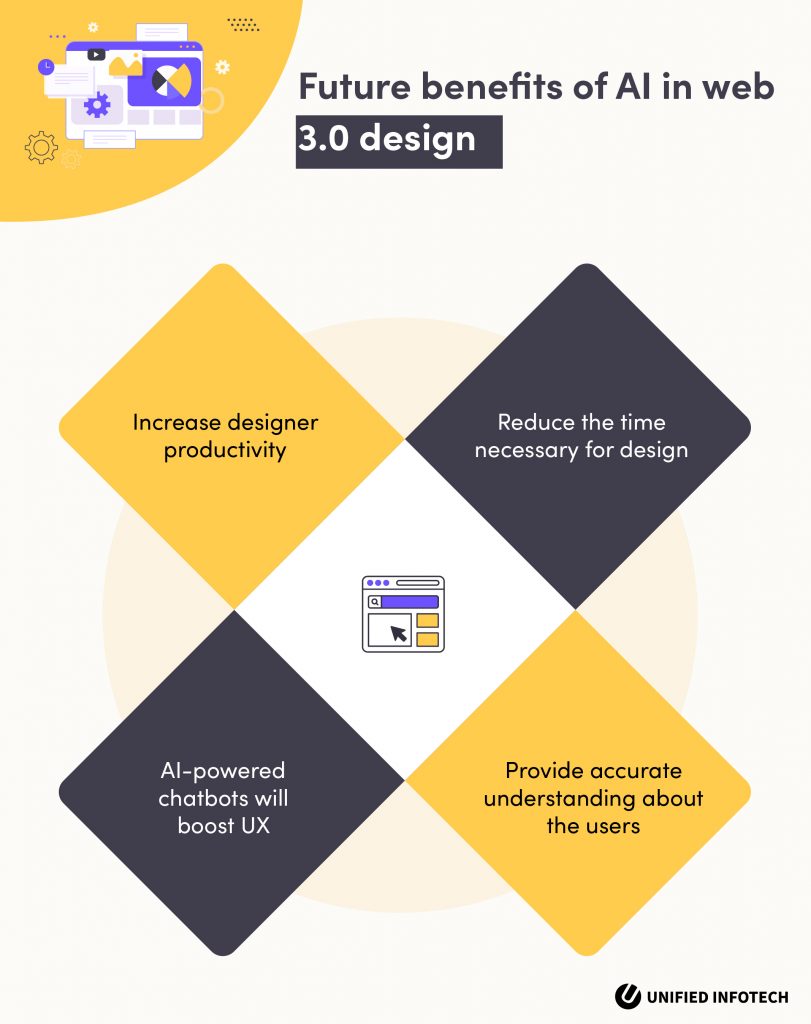
We cannot speak about AI in web 3.0 website design without touching upon ADI, also known as Artificial Design Intelligence. Considered to be the scourge of web designers worldwide, we believe that ADI will see a boost shortly. But remember, ADI will not replace human designers. it is merely a tool that will streamline the design process.
Optimizing The Website For Semantic Web
If we are wondering about how will web 3.0 impact business, then we must consider the semantic web.
As web 3.0’s biggest USP, it will provide the users with more contextual search answers than the general keyword-based results. And to succeed in this kind of scenario, your website needs to be optimized well with smart voice search features.
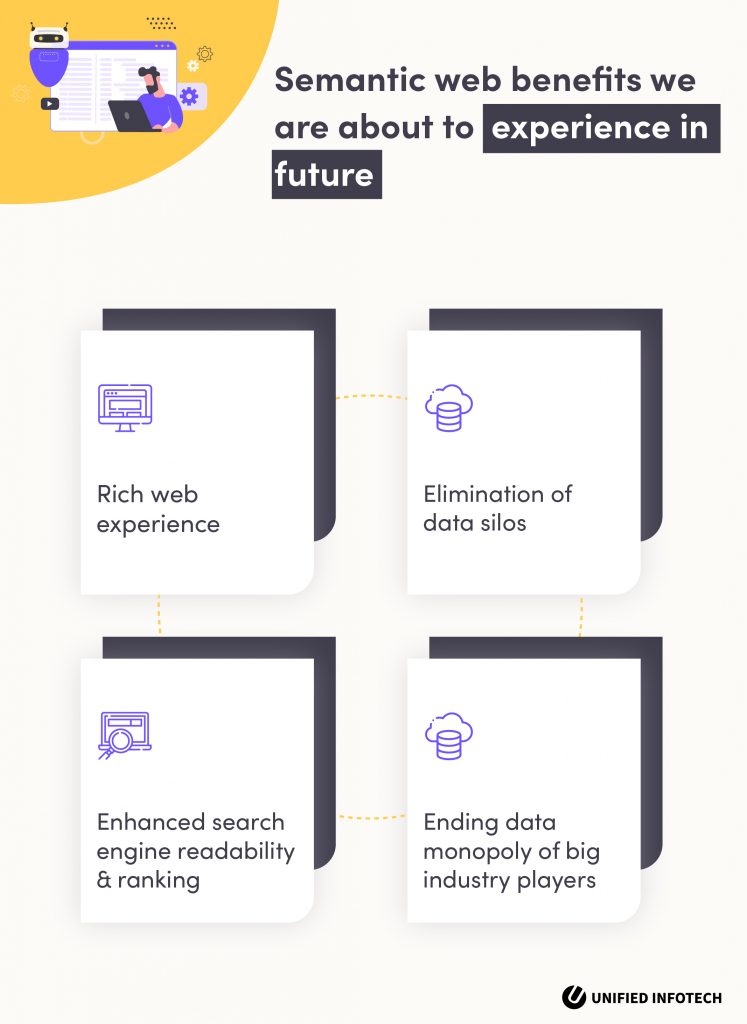
For example- when we use the word ‘mustang’ on a search engine we get results mostly related to Ford Mustang, the famous car. But mustang also happens to be an animal. The semantic web will be able to understand the difference of context in the usage of keywords and provide relevant results. Since the traditional search practices are changing rapidly. The users want the web to understand what they mean with their queries, rather than what their search query means. To accomplish that, our experts suggest using the extensive data sets on the target users, as well as structured data for web design 3.0. AI-based data analytics features of web technology enable us to focus on the finer details of the end-users, understanding the context of their search activities better. For example, let’s think about an end-user who searches for a budget smartphone online. Having a finer insight into their phone usage, as in what kind of activities they perform the most with their phone will enable search engines to display phones that fit their activity perfectly. Structured data is expected to be the key to the semantic web later in the future. It is a solution that is used to label data within a piece of content. This labeling practice enables search engines to understand data better and provide more contextual search results.

